Debris Removal Built for Heavy Materials
Demolition Dumpster Rental in Dewitt & Bryant, AR, for projects generating concrete, drywall, and structural material waste
Demolition work produces debris volumes and material weights that exceed standard waste containers' capacity, particularly when removing concrete slabs, foundation sections, or multiple layers of roofing. Heavy-duty roll-off dumpsters are constructed with reinforced steel floors and sidewalls that withstand the impact of dropped concrete chunks and the weight of dense materials like brick and mortar. Parker's Rentals delivers containers sized for demolition projects, with placement coordinated to minimize hauling distances from the work zone to the dumpster opening.
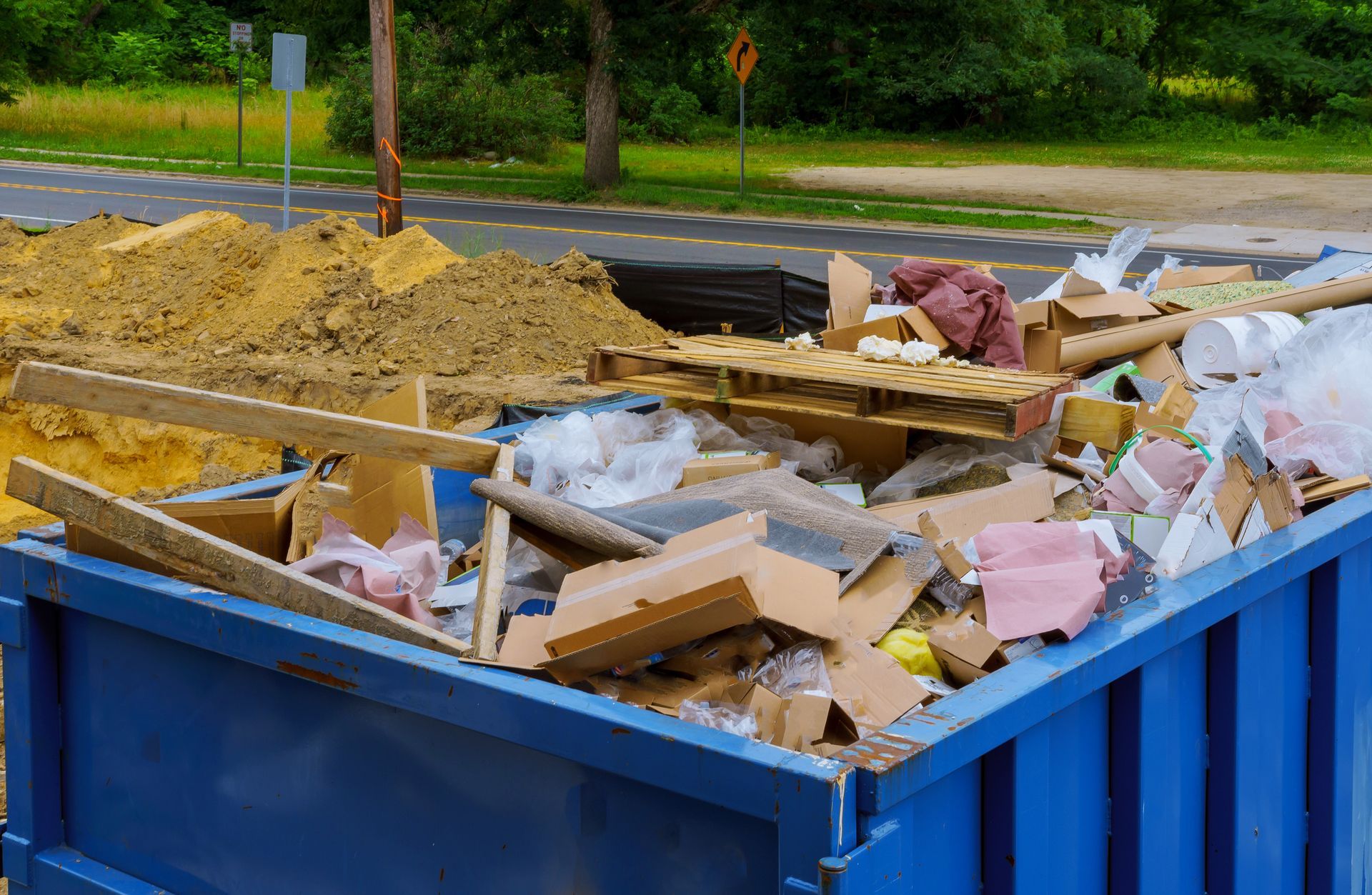
Demolition debris includes concrete, asphalt, brick, drywall, wood framing, metal ductwork, roofing shingles, and insulation, all of which can be combined in a single container unless local recycling programs require separation. The rental period extends through the demolition phase, with pickup scheduled once the container reaches capacity or the project completes, whichever occurs first.
Arrange delivery based on your demolition start date and estimated debris volume.
How Demolition Waste Is Managed Correctly
Demolition contractors estimate debris volume by calculating the square footage of material being removed and its depth—a four-inch concrete slab covering 500 square feet generates approximately six cubic yards of debris, while a full roof tear-off on a 1,500-square-foot home produces eight to ten cubic yards of shingles and decking. This calculation determines whether a twenty-yard or thirty-yard dumpster is appropriate, preventing the need for mid-project container swaps that delay progress.
After the container is removed, you notice the site is clear of tripping hazards and the workspace is accessible for the next phase, whether that involves new construction or final grading. Reliable pickup timing prevents debris from sitting on-site beyond local permit requirements or creating conditions that attract pests or stormwater runoff concerns.
Weight limits apply to demolition dumpsters due to the density of materials like concrete and brick, with most containers capped at three to five tons depending on size. Overweight loads require additional fees or partial unloading before transport, so contractors monitor fill levels and request pickups before exceeding weight thresholds.
Common Questions About This Service
Property owners and contractors planning demolition projects typically ask about capacity and material restrictions.
- What types of demolition debris are accepted? Concrete, brick, asphalt, drywall, wood framing, roofing materials, metal, and general construction waste are accepted, but hazardous materials like asbestos siding or lead paint require certified abatement before disposal.
- How is dumpster size determined for a demolition project? Calculate the square footage of material being removed and multiply by its depth in feet to estimate cubic yards, then add twenty percent to account for irregular shapes and air gaps in the container.
- Can concrete and wood be mixed in the same dumpster? Yes, mixed demolition debris is accepted in standard roll-off containers, though separating concrete into a dedicated container can reduce disposal fees at facilities that recycle aggregate materials.
- How long does a demolition dumpster rental last? Rental periods typically run seven to fourteen days, covering the duration of most residential and small commercial demolition projects in Dewitt and Bryant, AR, with extensions available if the scope expands.
- What happens if the container exceeds the weight limit? Overweight containers incur additional fees based on the excess tonnage, or the rental company may require partial unloading before transport to comply with road weight restrictions.
Parker's Rentals coordinates delivery and pickup schedules to keep demolition projects moving forward without delays caused by debris accumulation. Call to discuss your project scope and confirm the appropriate container size and rental period.